
World type records
Worlds
Stars, moons, and planetary biomes with distinct orbital bands and deposits.
12 of 12 entries
 World type
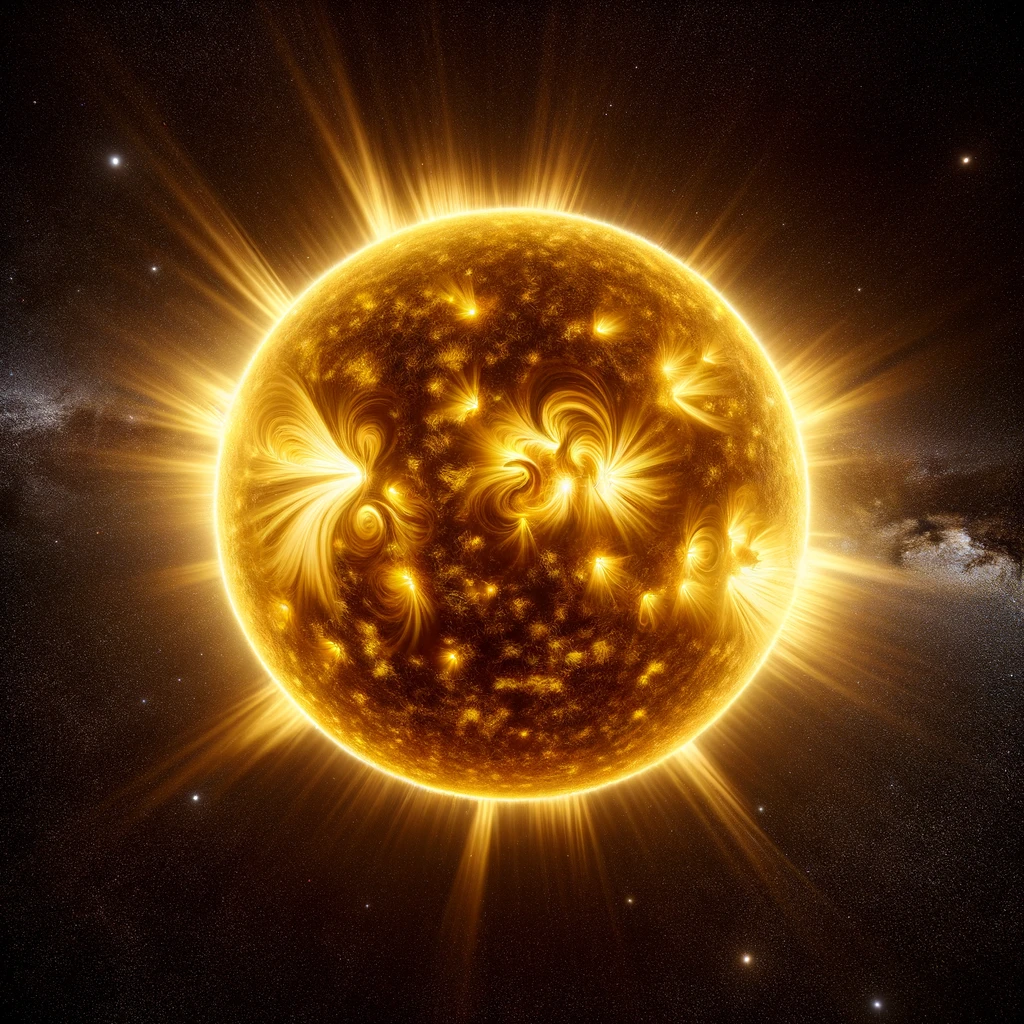
Star
A stellar body generated at the center of a planetary system. Stars cannot host settlements or be targeted by Extract Resources missions.
Classification · Star Rarity score · 1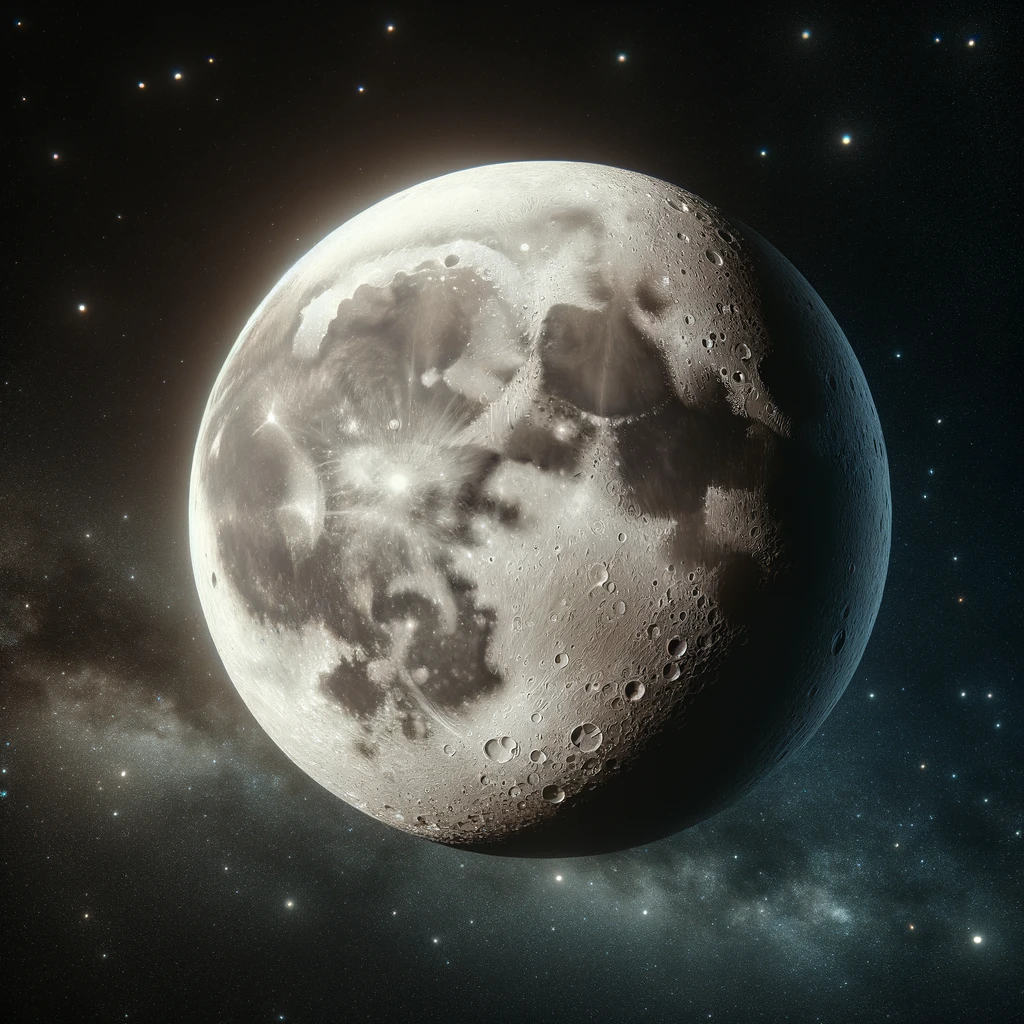 World type
Moon
A natural satellite generated in orbit around a planet. Moons can be targeted by Extract Resources and Destroy missions when their requirements are met.
Classification · Moon Rarity score · 1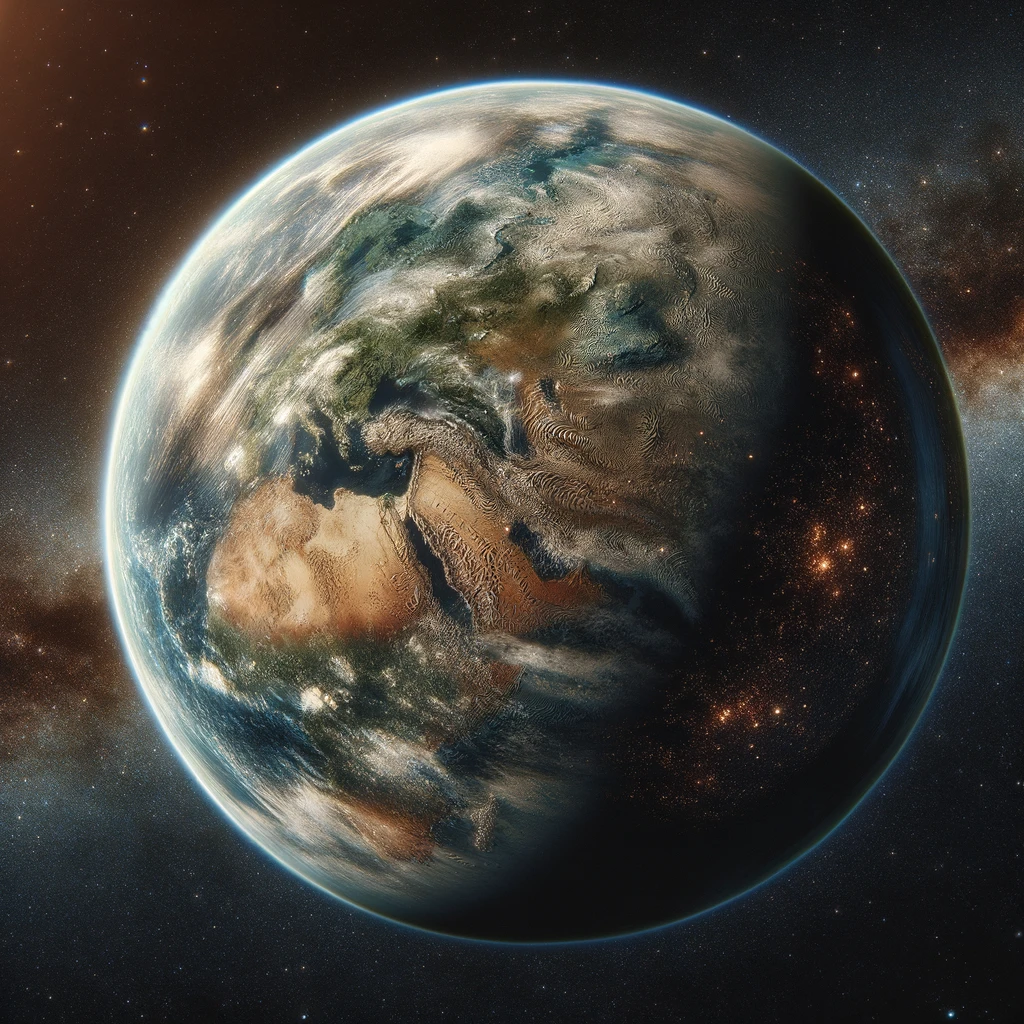 World type
Terrestrial
A rocky planet with a solid surface.
Classification · Planet Rarity score · 3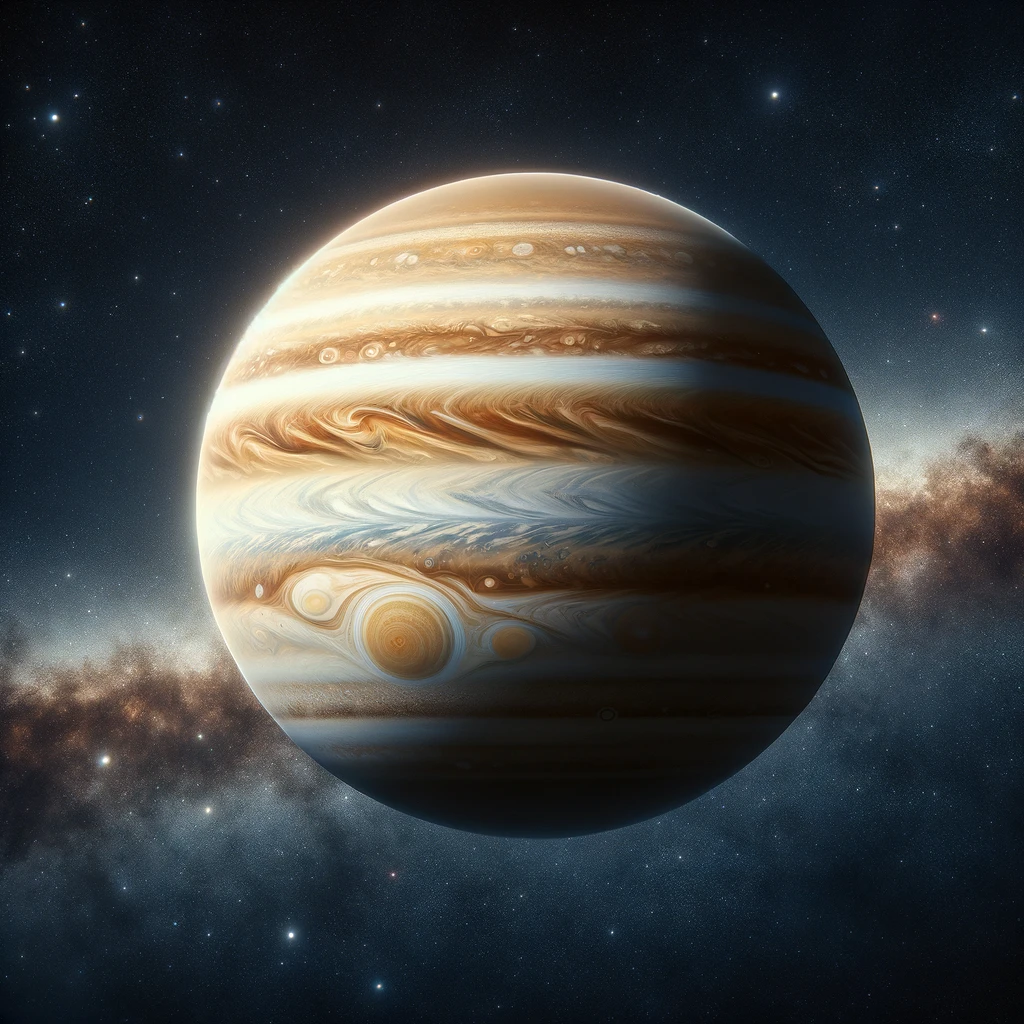 World type
Gas Giant
A large planet with a deep atmosphere dominated by hydrogen and helium.
Classification · Planet Rarity score · 2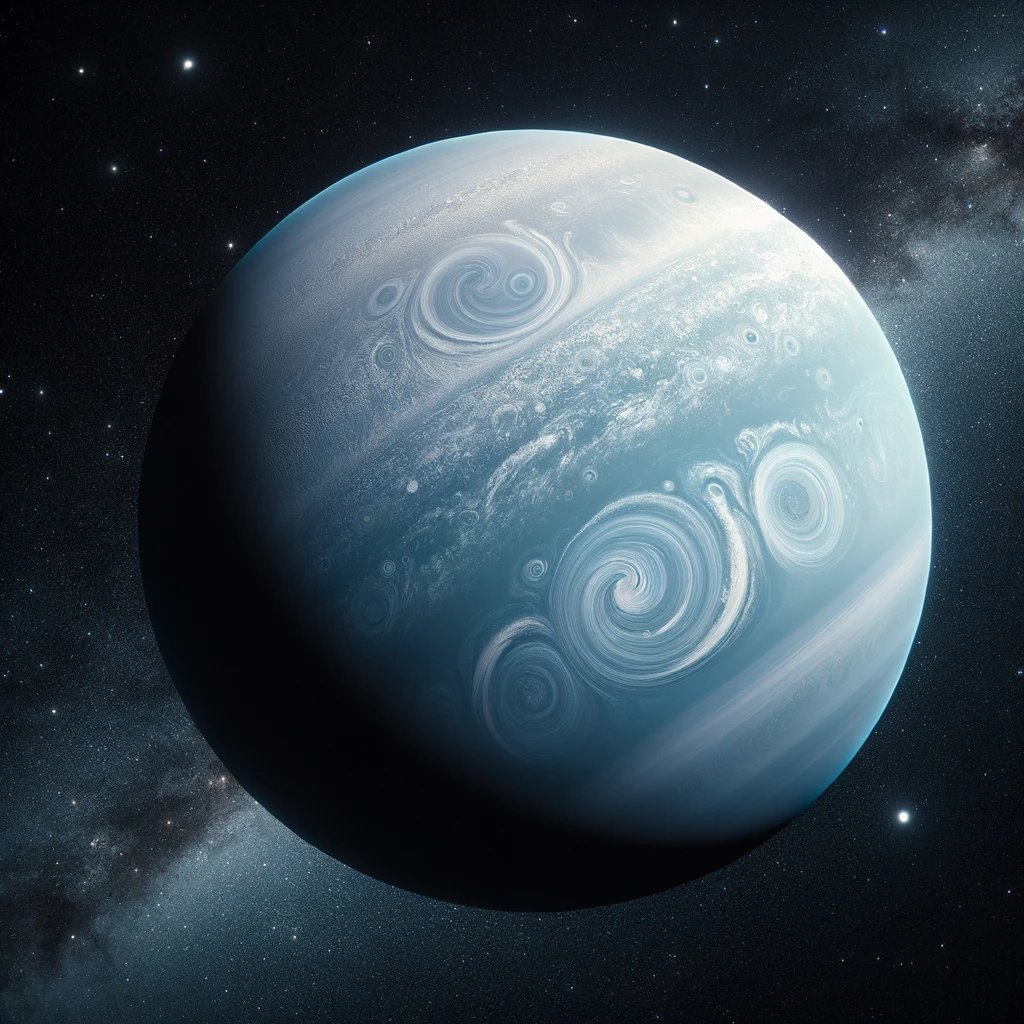 World type
Ice Giant
A large planet composed mainly of heavier volatile materials, including water, methane, and ammonia.
Classification · Planet Rarity score · 4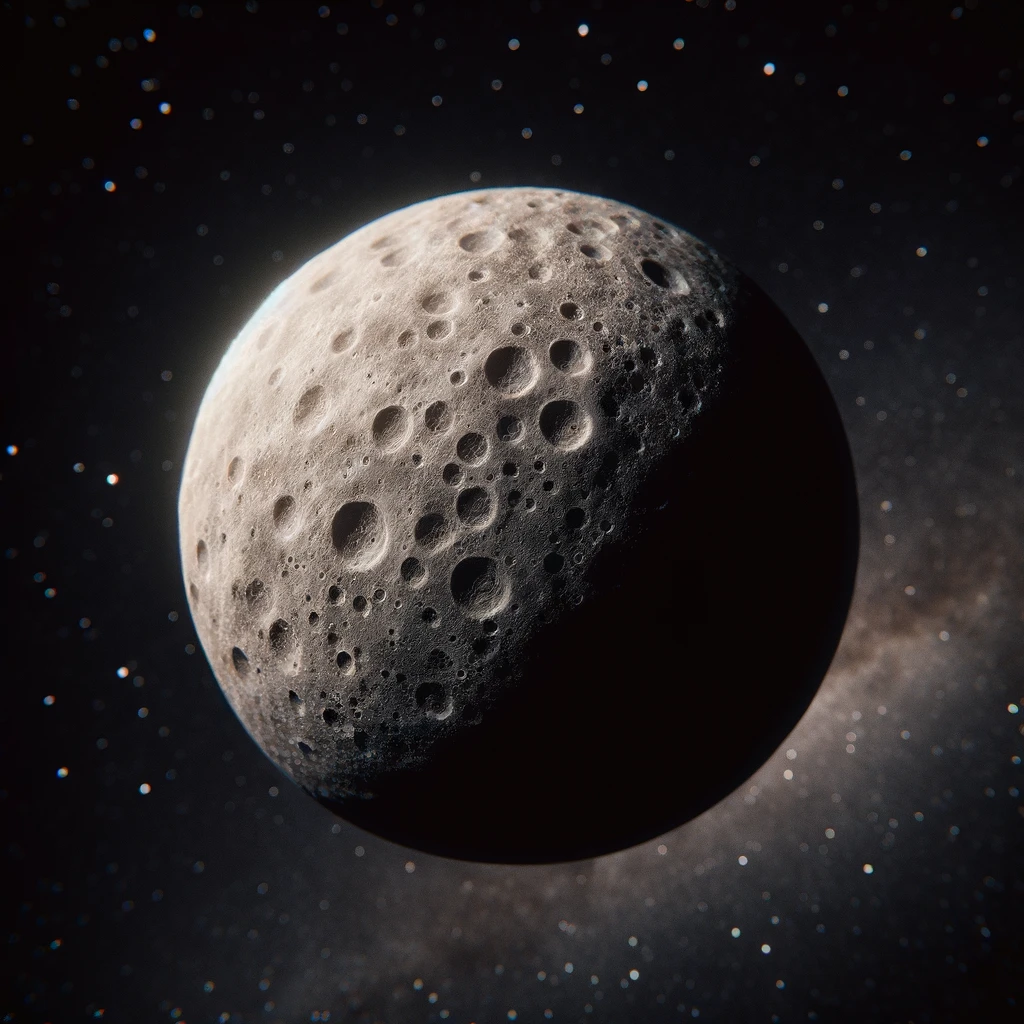 World type
Dwarf Planet
A smaller planetary body generated in the innermost orbital-distance band.
Classification · Planet Rarity score · 3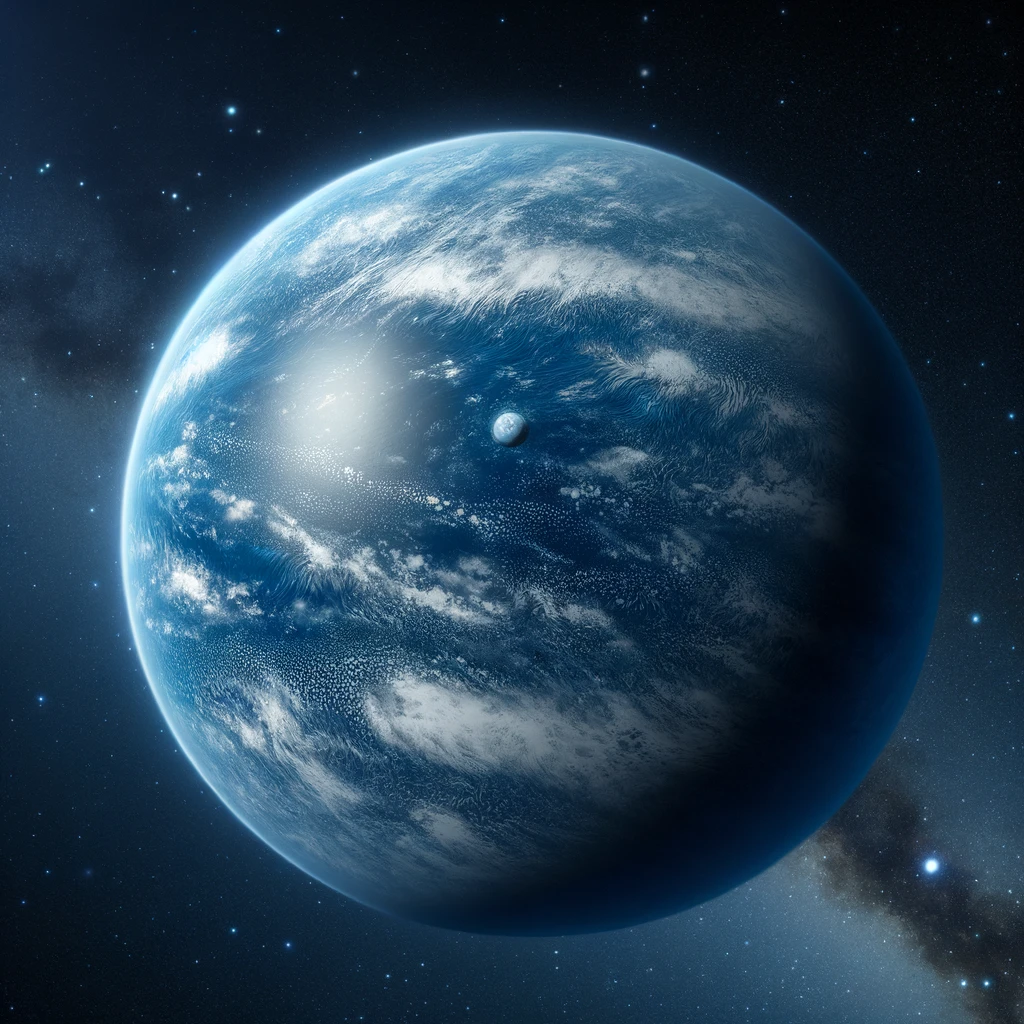 World type
Ocean Planet
A planet whose surface is predominantly covered by water.
Classification · Planet Rarity score · 7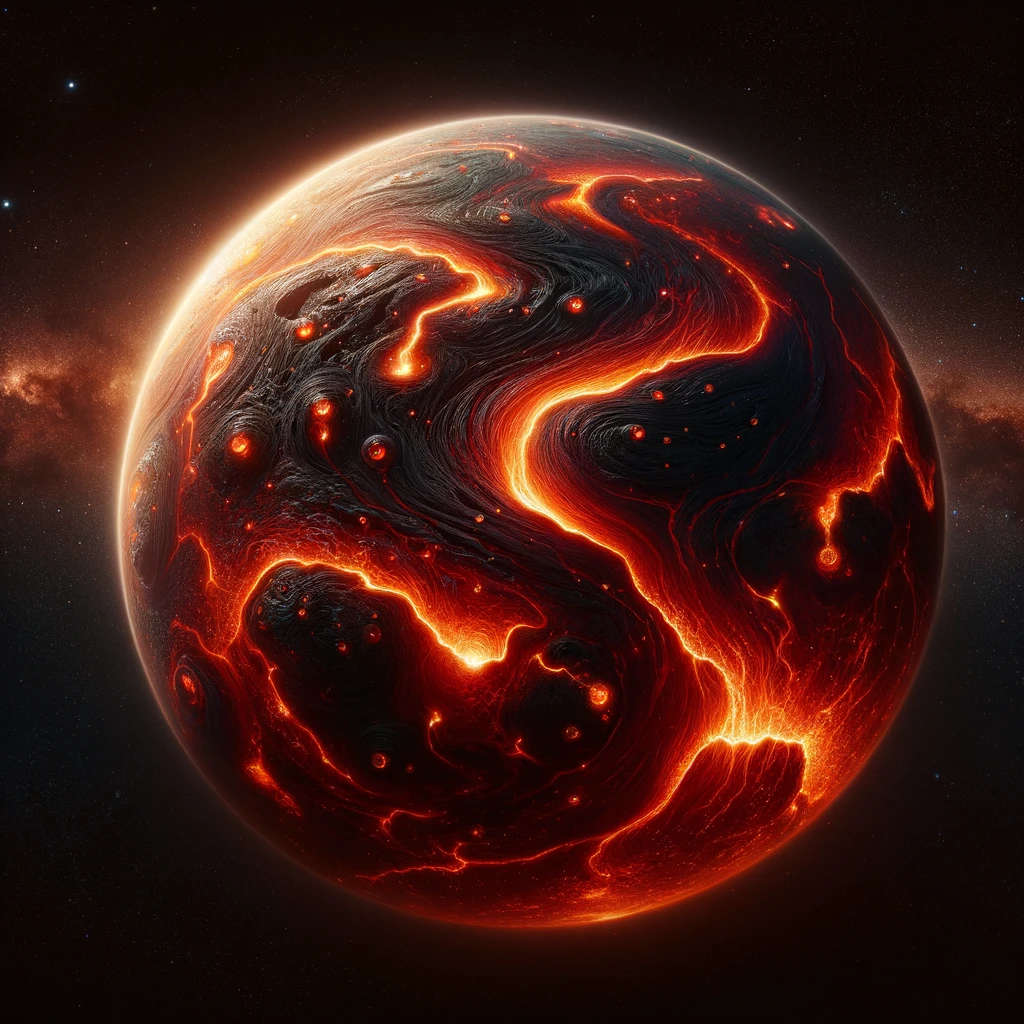 World type
Lava Planet
A high-temperature rocky planet with extensive molten terrain.
Classification · Planet Rarity score · 8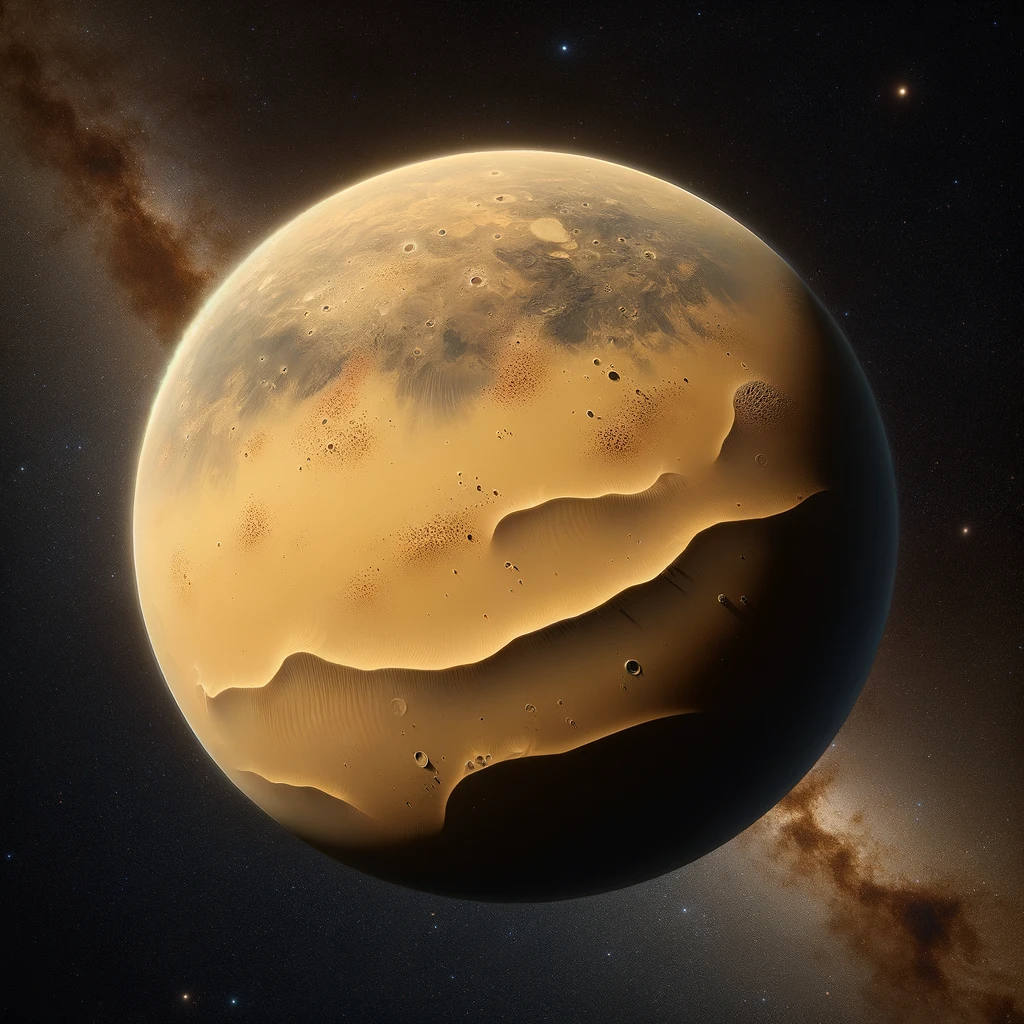 World type
Desert Planet
An arid planet dominated by exposed rock and sand.
Classification · Planet Rarity score · 6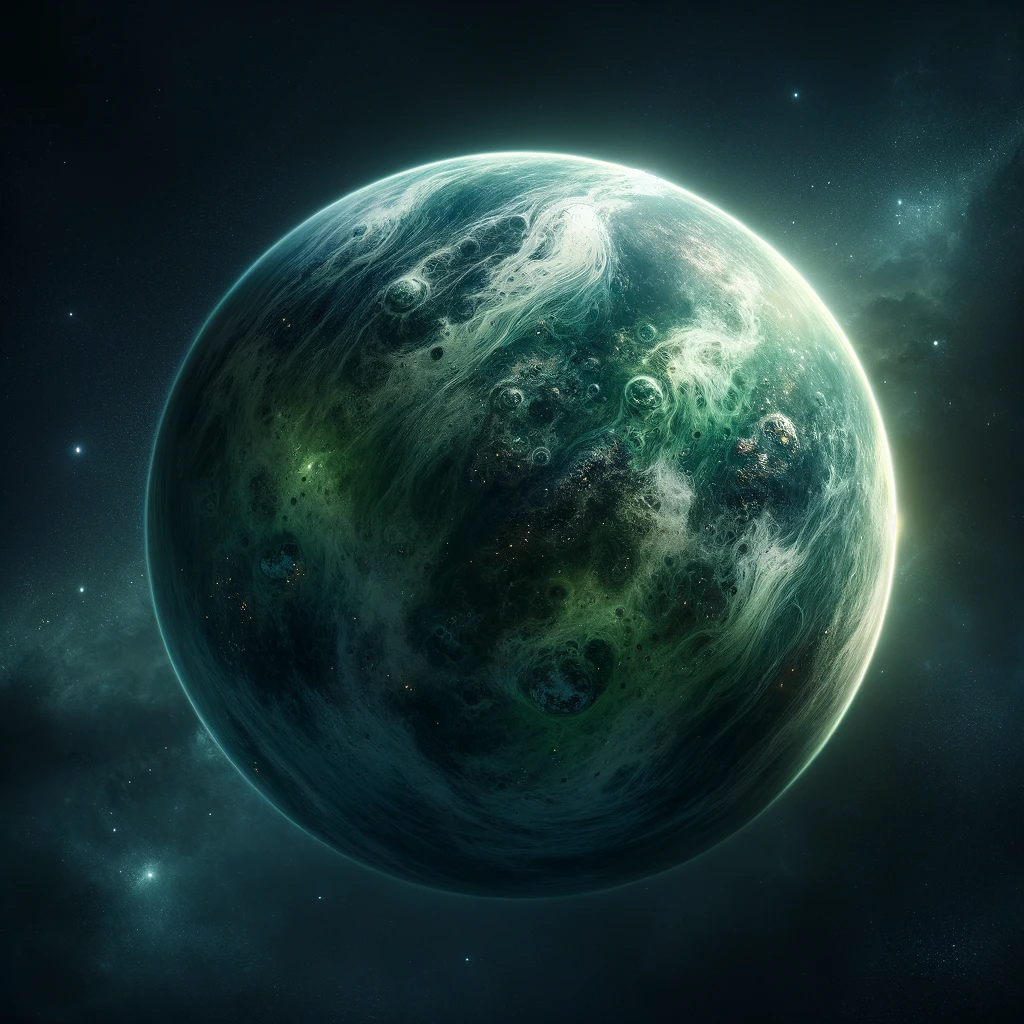 World type
Toxic Planet
A planet with a hazardous atmosphere or surface environment.
Classification · Planet Rarity score · 10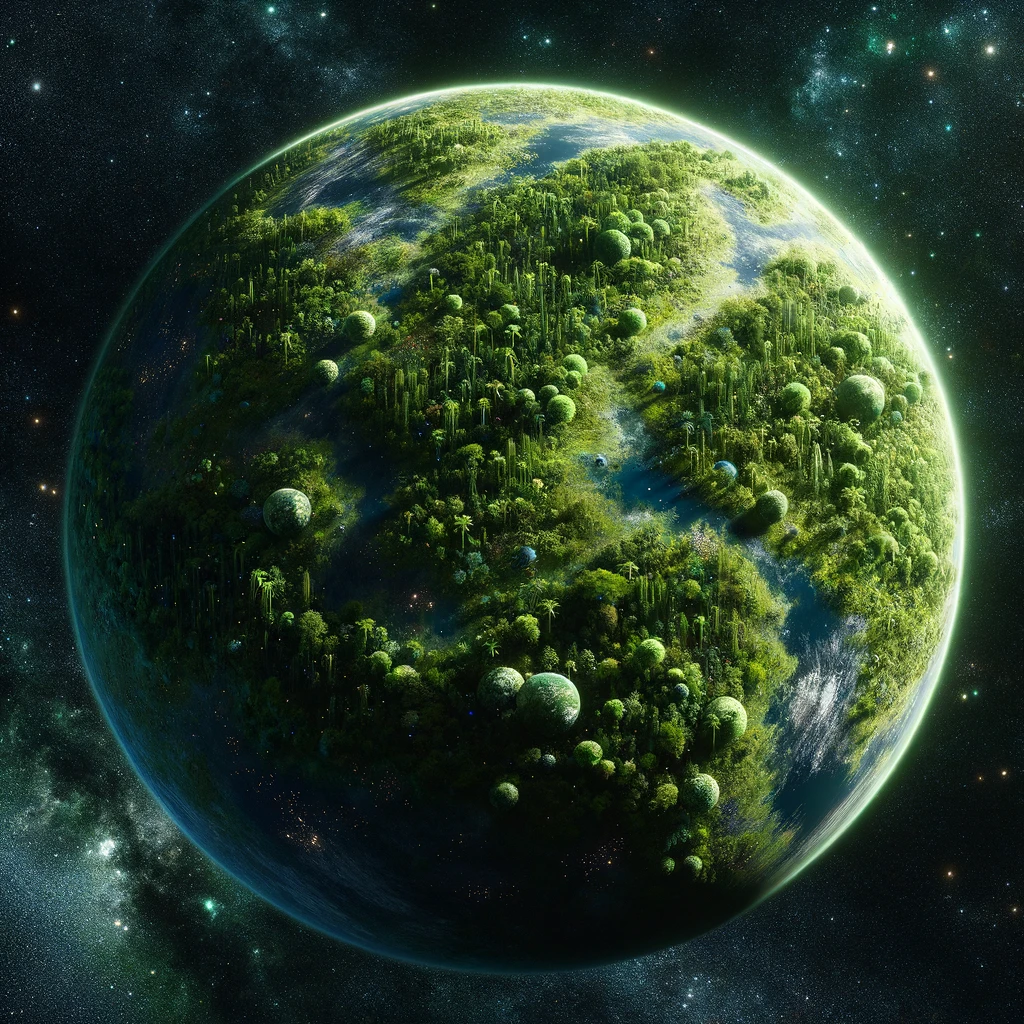 World type
Forest Planet
A planet with extensive vegetation across its surface.
Classification · Planet Rarity score · 5 World type
Tundra Planet
A cold planet dominated by frozen ground and ice.
Classification · Planet Rarity score · 9