Skip to the universe
Menu

One shared map
with fixed stars

The Alpha Verse is the universe every commander plays in. Its deposits run out, and other settlements sit at real distances from yours, so every launch costs travel time and fuel.

A blue and green terrestrial world suspended in space
Continue to known space

Where a world sits decides what it costs to reach

A neighboring settlement can become a trading partner, a watchful rival, or the reason your next convoy travels under escort.

Mission reports add to what you know: which routes are short, which worlds are rich, and which neighbors are watching the same deposits as you.

Two Scout trips from the same settled world

One settled world on the current map, its nearest planet in the same star system, and its nearest planet around another star. The numbers come from the route calculator behind the mission preview.

Destination Distance Travel time, one way Fuel required at launch
Nearest planet in the same star system 3,654 units 1 h 6 min 33 hydrogen
Nearest planet around another star 11,220 units 3 h 12 min 94 hydrogen

A new settlement starts with 110 hydrogen, so the first launch needs 30% of it and the second 85%. The first planet is within the 6,000-unit planetary radar of a level-one Deep Space Observatory; the second is outside it.

Times are for the Starlites’ Scout, the slowest; the fastest civilization’s Scout arrives about 3% sooner. Research can raise fleet speed and lower fuel use.

  1. 01

    A launch holds fuel for the way back

    The mission preview lists the fuel each leg burns and the fuel required at launch, which covers the round trip. A one-way mission gets back what it did not burn.

  2. 02

    Radar has a range

    Radar shows what is near your settlement. A Spy report shows a target as it was when your fleet arrived.

  3. 03

    Deposits run out

    Every deposit is finite. A world that has been mined hard is worth less to the next commander who finds it.

Six of the worlds you will find

A world’s type decides which civilizations are native to it and which deposits it can hold. The Field Manual lists the exact ranges for every type.

01 Ocean world in the Cosmo Crafter universe
Native to the Hydrolexians

Ocean world

Cities drift with the tides, and much of the seabed below them is still unmapped.

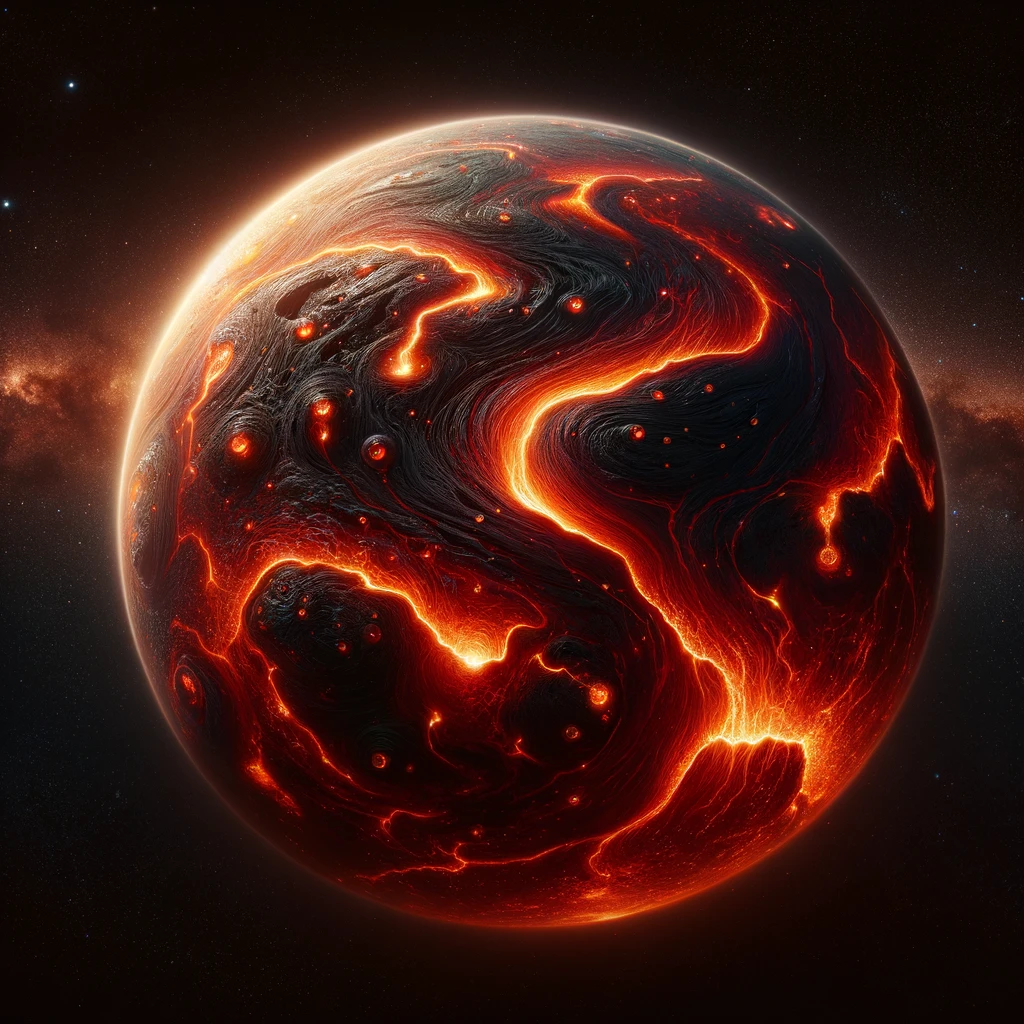
02 Lava world in the Cosmo Crafter universe
Native to the Vultronites

Lava world

Molten plains and violent geology. Vultronite districts are anchored above the flow.

03 Forest world in the Cosmo Crafter universe
Native to the Oxyonians and Terrelians

Forest world

Dense, living canopy. Each new building means clearing space inside it.

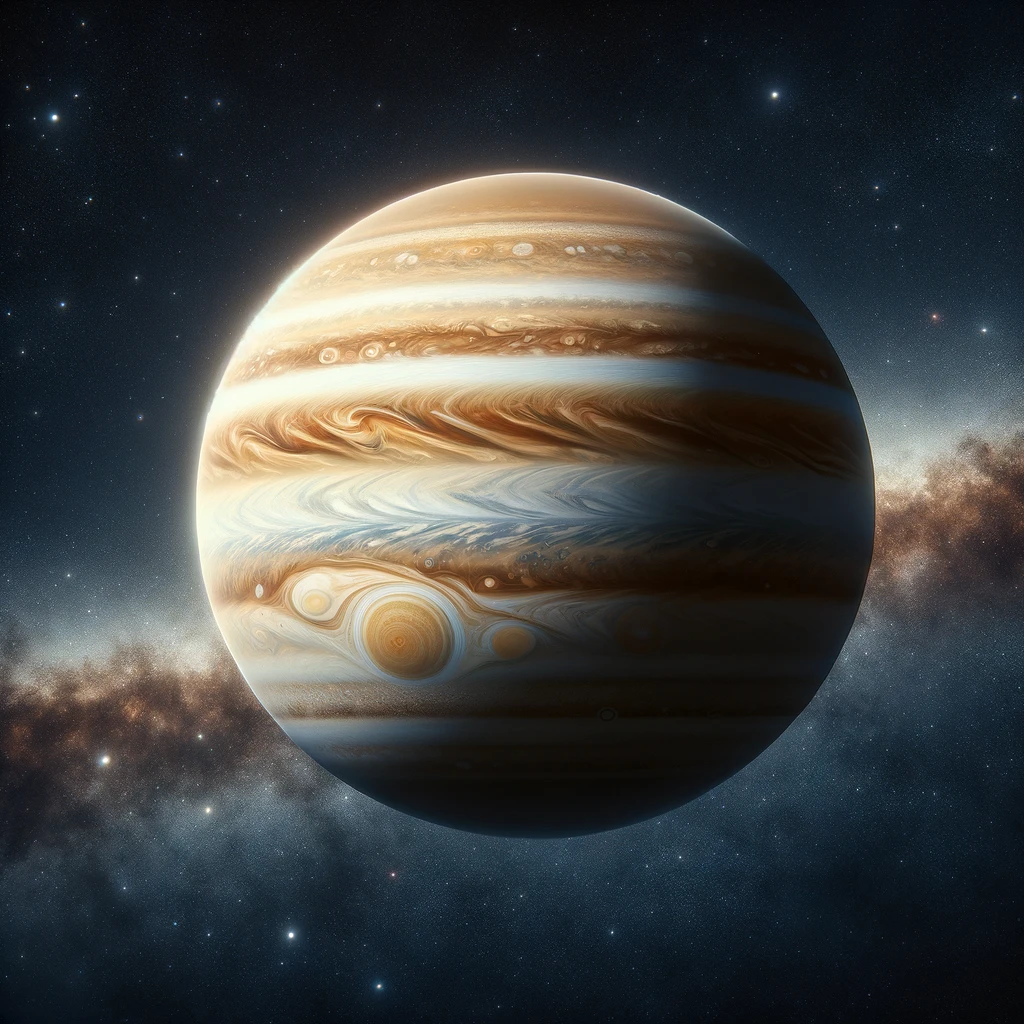
04 Gas giant in the Cosmo Crafter universe
Native to the Nebuloids

Gas giant

No solid ground. Floating cities dive into deeper layers to gather rare matter, then climb back up.

05 Tundra world in the Cosmo Crafter universe
Native to the Cryxonites

Tundra world

Long winters. Settlements are built inward, around heat and shared stores.

06 Toxic world in the Cosmo Crafter universe
No native civilization

Toxic world

Hostile air and no native people. A civilization can settle one only after Empire Expansion III.

Compare all planetary field records

How a new destination gets explored

Radar and mission reports tell you what is out there. Whether a target is worth the fuel and the risk is your call.

  1. 01

    Scan

    Upgrade the Command Center to extend your radar. It shows nearby planets, settlements and fleets in flight.

  2. 02

    Compare

    Weigh distance, world type, what you already know, cargo needs and fuel. Another commander may be looking at the same target.

  3. 03

    Prepare

    Manufacture the frames, circuits, fuel cells and cores your spacecraft need, and keep hydrogen back for the trip.

  4. 04

    Launch

    Choose a mission and send the fleet. Scouts spy, Freighters transport, Mining Vessels extract and Colony Ships found settlements.

  5. 05

    Review

    Read the mission report, then decide what to build or where to send the next fleet.

Example from the story campaignSpy report
“The door was locked from within.”
Campaign
Echoes of the First Expansion
Chapter 1
The Buried Signal
Mission 13
Follow the Echo

Someone mapped these worlds before you

The story starts at your Manufacturing Plant. Every machine stops at the same tiny line in a strange metal, and the same gap repeats through the rock of your planet.

The gaps turn out to be coordinates. Your first Scout follows them to an old relay, and its Spy report carries a single warning: the door was locked from within.

Each campaign mission is something you would build or launch anyway, with a short briefing before it and a debrief after.

From a radar contact to a settlement

Most worlds you find stay on the map as targets. The few you settle need workers, storage, defenses and a way to move goods to your other settlements.

01

Out of range

Beyond your radar, you know nothing about the world.

02

Detected

Radar shows the body and how far away it is.

03

Scouted

A mission report adds what is there and who else is nearby.

04

Settled

A Colony Ship founds a settlement, which now needs building up and defending.

05

Connected

Supply routes and trade link it to your other settlements.

Your civilization decides which worlds you can start on

Starlites start on Terrestrial worlds, for example, and Nebuloids on Gas Giants.